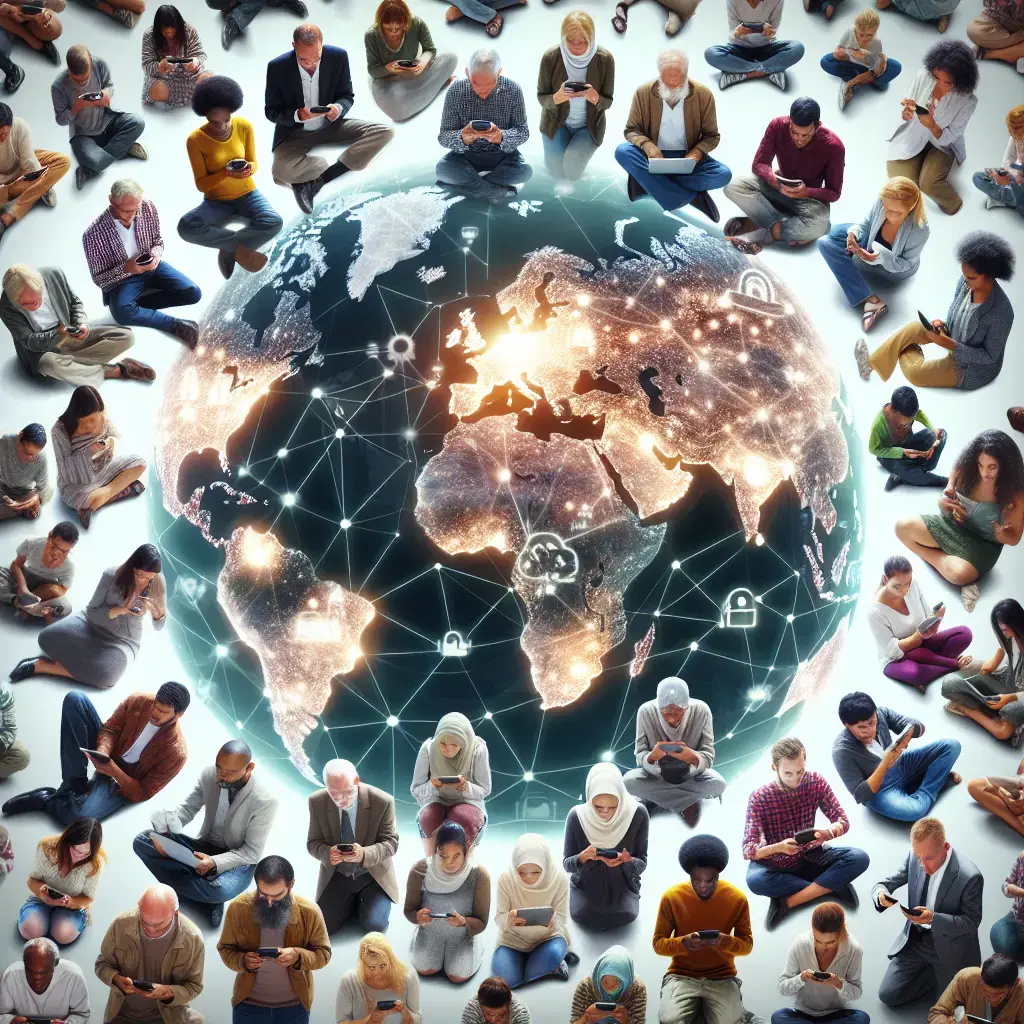
Exploring the Transformative Role of Mobile Technology in Internet Accessibility
In the rapidly evolving landscape of technology, mobile devices have become pivotal in reshaping internet accessibility, significantly impacting how we connect with the digital world. The rise of mobile technology has ushered in an era where mobile internet access is not just a luxury but a fundamental necessity, driving digital inclusion across diverse populations. Smartphones and mobile broadband have emerged as key players in narrowing the digital divide, offering innovative solutions to enhance internet accessibility and improve global internet access.
Mobile technology advancements have revolutionized how individuals experience the internet, fostering a seamless mobile user experience that transcends traditional barriers. With the proliferation of mobile connectivity, people can now access a wealth of information and services through their smartphones, significantly contributing to internet access improvement worldwide. This growth in mobile internet access underscores the vital role of technology and accessibility in modern society.
As mobile tech trends continue to evolve, the benefits of mobile technology extend beyond mere connectivity. They play an instrumental role in bridging gaps and promoting digital inclusion, enabling communities to leverage digital tools for personal and professional growth. The surge in mobile internet growth highlights the transformative potential of accessibility through mobile devices, which are now indispensable in facilitating internet access via smartphones.
The impact of mobile technology on internet accessibility is profound, driving a shift towards a more inclusive digital ecosystem. As we delve deeper into this topic, we'll explore how these advancements are enhancing internet accessibility globally, examining the latest trends and their implications for future connectivity. Join us as we navigate this dynamic landscape and uncover the myriad ways in which mobile technology is shaping our digital future.
In the modern digital age, mobile technology is a cornerstone for internet accessibility, playing a critical role in how individuals and communities interact with the digital world. As we examine the transformative impact of mobile technology on internet accessibility, it's essential to consider recent trends and developments across various sectors that highlight its significance.
Bridging the Digital Divide
Mobile technology is pivotal in narrowing the digital divide, a persistent issue that limits internet accessibility for underserved populations. Through mobile broadband and smartphone technology, many regions are overcoming traditional barriers to connectivity. For example, advancements in Fin Field-Effect Transistor (FinFET) technology offer enhanced processing capabilities for mobile devices (source). These innovations facilitate faster and more reliable mobile internet access, particularly in areas where traditional broadband infrastructure is lacking.
The ability of smartphones to provide access to information and services is not merely a technological marvel but a socio-economic catalyst. Mobile health applications are projected to grow significantly by 2031, expanding healthcare access to remote and underserved areas (source). This growth is a testament to how mobile technology benefits extend beyond basic connectivity, promoting digital inclusion in critical sectors.
Mobile Connectivity and Its Economic Impact
The economic implications of enhanced mobile connectivity are profound. As more people gain internet access via smartphones, opportunities for economic development increase. This is particularly evident in emerging markets where mobile technology serves as a primary means of internet access. In Africa, experts are rethinking manufacturing industrialization strategies to leverage mobile technology for economic growth (source). By incorporating mobile tech advancements into industrial processes, countries can improve productivity and foster new business models.
Mobile technology trends also influence consumer behavior and expectations. Tata Motors' top ranking in customer experience reflects how companies use mobile platforms to enhance user engagement and service delivery (source). This shift towards mobile-centric strategies underscores the importance of a seamless mobile user experience in maintaining competitive advantage.
Enhancing Internet Accessibility Through Innovation
Mobile technology's role in enhancing internet accessibility is underscored by continuous innovation. The rise of Web3 and crypto startups is pioneering a decentralized digital future, relying heavily on mobile connectivity for widespread adoption (source). These developments demonstrate how mobile devices and internet access are increasingly intertwined with cutting-edge technological advancements.
Moreover, the Android Set Top Box (STB) and Television Market is unveiling new growth potential, driven by the integration of mobile technology with home entertainment systems (source). This trend highlights the versatility of mobile technology as it transcends traditional boundaries, integrating seamlessly into various aspects of everyday life.
Overcoming Challenges and Embracing Opportunities
While the benefits of mobile technology are clear, challenges remain. Ensuring equitable access to mobile internet growth requires addressing issues such as affordability and digital literacy. Strategies to overcome these challenges include partnerships between public and private sectors to subsidize costs and educational initiatives to enhance digital skills.
A recent Hedgehog Pathway Inhibitors Market Trends report illustrates opportunities and challenges in leveraging technology for healthcare improvements (source). Similar approaches can be applied to enhance internet accessibility through mobile devices, ensuring that technological advancements translate into real-world benefits.
Looking Ahead: The Future of Mobile Technology and Internet Accessibility
As we look towards the future, the landscape of mobile technology will continue to evolve. New collaborations in the entertainment industry, such as AP Dhillon teaming up with international stars for innovative projects like 'The Brownprint,' demonstrate the cultural impact of mobile connectivity (source). These collaborations highlight how mobile platforms enable creative expression and global reach.
The emergence of unicorn startups in India further illustrates the dynamic nature of the tech industry and its reliance on robust mobile infrastructure (source). As these companies continue to innovate, they set the stage for future advancements in mobile technology and internet accessibility.
Conclusion
Mobile technology is undeniably transforming internet accessibility, bridging gaps and fostering economic and social growth worldwide. Here are the key takeaways from our discussion:
Bridging the Digital Divide: Mobile technology is instrumental in overcoming connectivity barriers, particularly in underserved regions, by utilizing advancements like FinFET technology to enhance processing capabilities. This progress not only improves access to information but acts as a socio-economic catalyst, particularly through innovations in digital health services.
Economic Impact: Enhanced mobile connectivity drives economic development, especially in emerging markets. By integrating mobile technology into industrial strategies, regions can unlock new business models and increase productivity. The shift towards mobile-centric strategies also revolutionizes consumer engagement and expectations, as seen with Tata Motors' enhanced customer experience.
Innovation and Accessibility: Mobile technology is intertwined with cutting-edge developments such as Web3 and crypto startups, showcasing its role in pioneering a decentralized digital future. Its integration into home entertainment further underscores its versatility and potential for enhancing everyday life.
Challenges and Opportunities: While progress is evident, challenges like affordability and digital literacy need addressing to ensure equitable mobile internet access. Collaborative efforts between public and private sectors can help overcome these barriers, translating technological advancements into real-world benefits.
Looking ahead, mobile technology will continue to evolve, enabling cultural collaborations and supporting the growth of dynamic tech ecosystems. As we embrace this transformative landscape, staying informed about emerging trends will be crucial for understanding and leveraging future advancements in internet accessibility.
Your insights matter. Share your experiences or thoughts on how mobile technology has impacted your internet accessibility. Engage with us in the comments section below; your perspective could inspire further exploration in this ever-evolving field.
Author: Fiona Thompson