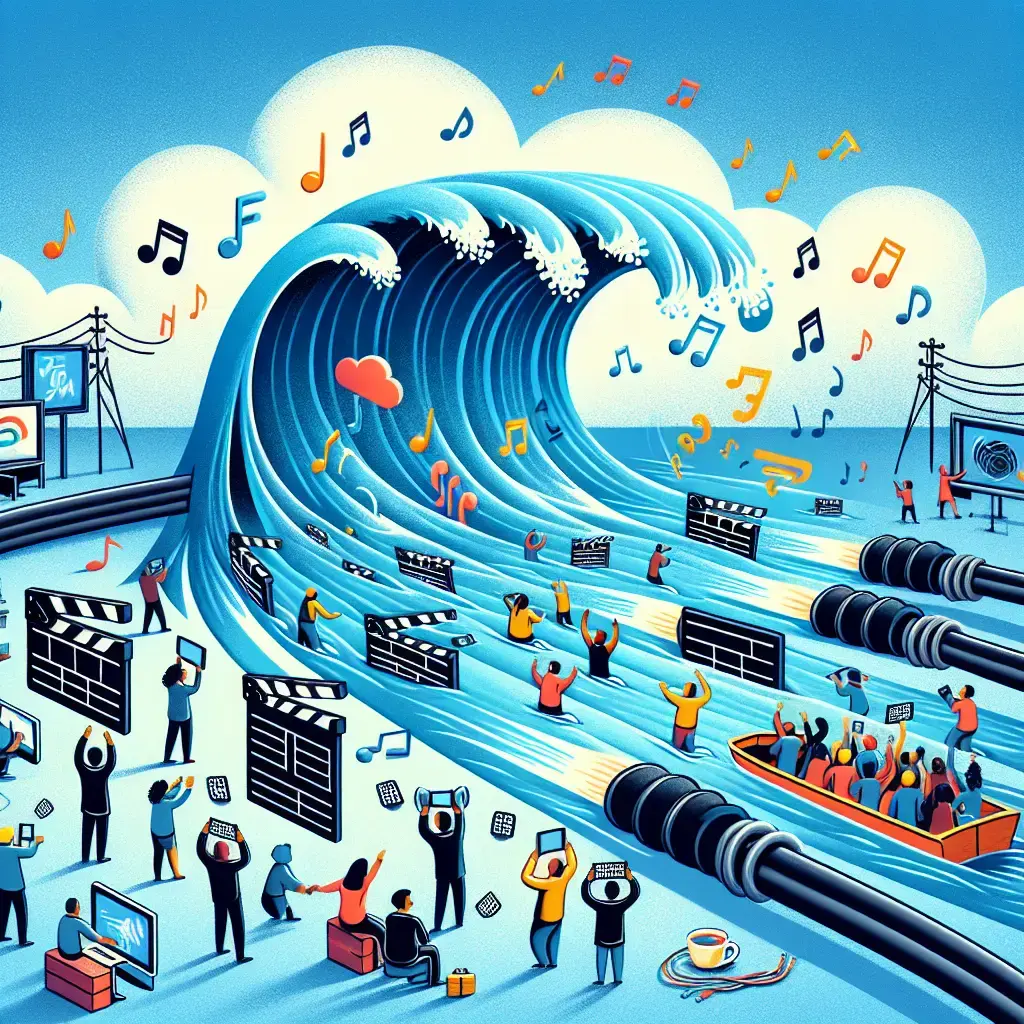
In today's digital era, the impact of streaming services on internet bandwidth and content consumption is undeniable. As platforms like Netflix, Hulu, and Disney+ dominate the media landscape, they have dramatically altered our viewing habits and reshaped internet traffic patterns. With video streaming bandwidth usage at an all-time high, the implications for both consumers and service providers are profound.
Streaming Bandwidth Usage: A Growing Demand
The surge in streaming data demand has necessitated a reevaluation of how we approach internet bandwidth. According to a recent report by Cisco, video streaming accounted for over 80% of all internet traffic in 2023, a figure expected to climb even higher in 2024. This increase is fueled by the widespread adoption of OTT platforms, offering users the flexibility to consume content on-demand.
Video quality has also evolved, with 4K and even 8K streaming becoming more common, further increasing the strain on internet infrastructure. Consequently, the need for robust broadband streaming capabilities is critical. Consumers demand fast and reliable internet speed streaming to enjoy seamless viewing experiences without buffering interruptions.
Online Streaming Influence: A Paradigm Shift in Content Consumption
The influence of streaming services extends beyond mere data consumption. They have transformed digital content consumption trends, encouraging a shift from traditional broadcast television to personalized viewing experiences. This shift is highlighted by the dramatic rise in subscription numbers for platforms like Amazon Prime Video and HBO Max, which collectively boast hundreds of millions of subscribers worldwide.
This trend has not only impacted consumer behavior but also prompted content creators to adapt. The focus has shifted towards producing high-quality, binge-worthy series that keep audiences engaged over longer periods. The success of shows like "Stranger Things" and "The Mandalorian" exemplifies how streaming services have become pivotal in shaping modern entertainment narratives.
The Interplay Between Streaming Services and Internet Bandwidth
The dynamic relationship between streaming services and internet bandwidth consumption is crucial for understanding today's digital media consumption. As noted by Sandvine's Global Internet Phenomena Report, bandwidth consumption streaming has reached unprecedented levels, necessitating innovations in both network infrastructure and service delivery.
One technological advancement aiding this evolution is Transport Layer Security (TLS) 1.3. In a recent discussion with cybersecurity expert Ed Harmoush, it was highlighted that TLS 1.3 offers enhanced security for internet traffic streaming while optimizing performance compared to its predecessor, TLS 1.2. These improvements are vital as they allow for more efficient streaming content delivery without compromising user privacy or data integrity.
Streaming Habits Analysis: What the Data Tells Us
A deep dive into streaming habits analysis reveals fascinating insights into how we consume media today. According to Nielsen's Total Audience Report, there has been a significant increase in the time spent on OTT platforms bandwidth, with younger demographics leading the charge. This shift indicates a broader trend towards mobile-first consumption, where smartphones and tablets are increasingly preferred over traditional TV sets.
Moreover, the rise in internet usage streaming has highlighted disparities in broadband access across different regions. While urban areas enjoy high-speed connections, rural communities often struggle with slower speeds, limiting their ability to participate fully in the digital entertainment revolution.
Challenges and Opportunities in Internet Infrastructure
The broadband streaming impact of rising streaming data consumption poses both challenges and opportunities for internet service providers (ISPs). On one hand, ISPs must invest in upgrading their networks to accommodate the growing demands for higher video streaming bandwidth. This includes deploying more fiber-optic cables and enhancing wireless capabilities through 5G technology.
Conversely, this scenario presents opportunities for businesses to innovate. For instance, ride-sharing companies like Uber and Lyft have leveraged advanced analytics to optimize their services in congested urban environments. Similarly, ISPs can employ predictive analytics to better manage traffic and improve user experiences during peak streaming times.
Future Trends in Streaming Services Impact
Looking ahead, the future of streaming service trends will likely be influenced by several factors, including technological advancements, regulatory changes, and evolving consumer preferences. With venture capitalists increasingly investing in AI-driven solutions (as noted in a recent article by Forbes), we can expect more personalized content recommendations and improved user interfaces on streaming platforms.
Moreover, as environmental concerns grow, there's a push towards more sustainable digital practices. Streaming services are exploring ways to reduce their carbon footprint by adopting greener technologies and optimizing data centers' energy efficiency.
Conclusion: Navigating the Streaming Era
The rise of streaming services has profoundly impacted internet bandwidth and content consumption patterns, fundamentally reshaping our digital landscape. Key takeaways from this exploration include:
Growing Bandwidth Demand: Video streaming now constitutes over 80% of internet traffic, driven by the widespread adoption of OTT platforms and the demand for high-quality video resolutions like 4K and 8K.
Content Consumption Shift: The transition from traditional TV to personalized, on-demand viewing experiences has redefined consumer behavior, prompting content creators to produce engaging, binge-worthy series.
Bandwidth and Streaming Dynamics: The interplay between streaming services and internet infrastructure demands innovations in network technologies and service delivery to handle increasing data consumption effectively.
Challenges and Opportunities: Internet service providers face the dual challenge of upgrading networks to support higher streaming demands while also seizing opportunities to leverage predictive analytics for enhanced user experiences.
Future Trends: Technological advancements, such as AI-driven content recommendations, and sustainable digital practices will shape the future of streaming services.
As we continue to witness these transformative changes, it is crucial for both content creators and consumers to adapt. By embracing technological innovations and addressing infrastructural challenges, we can ensure that digital media consumption remains accessible and engaging.
I invite you to reflect on how streaming services have altered your viewing habits. What changes have you noticed in your own media consumption patterns? Share your experiences and insights in the comments below; your thoughts could spark valuable conversations in this evolving digital age.
Author: Fiona Thompson