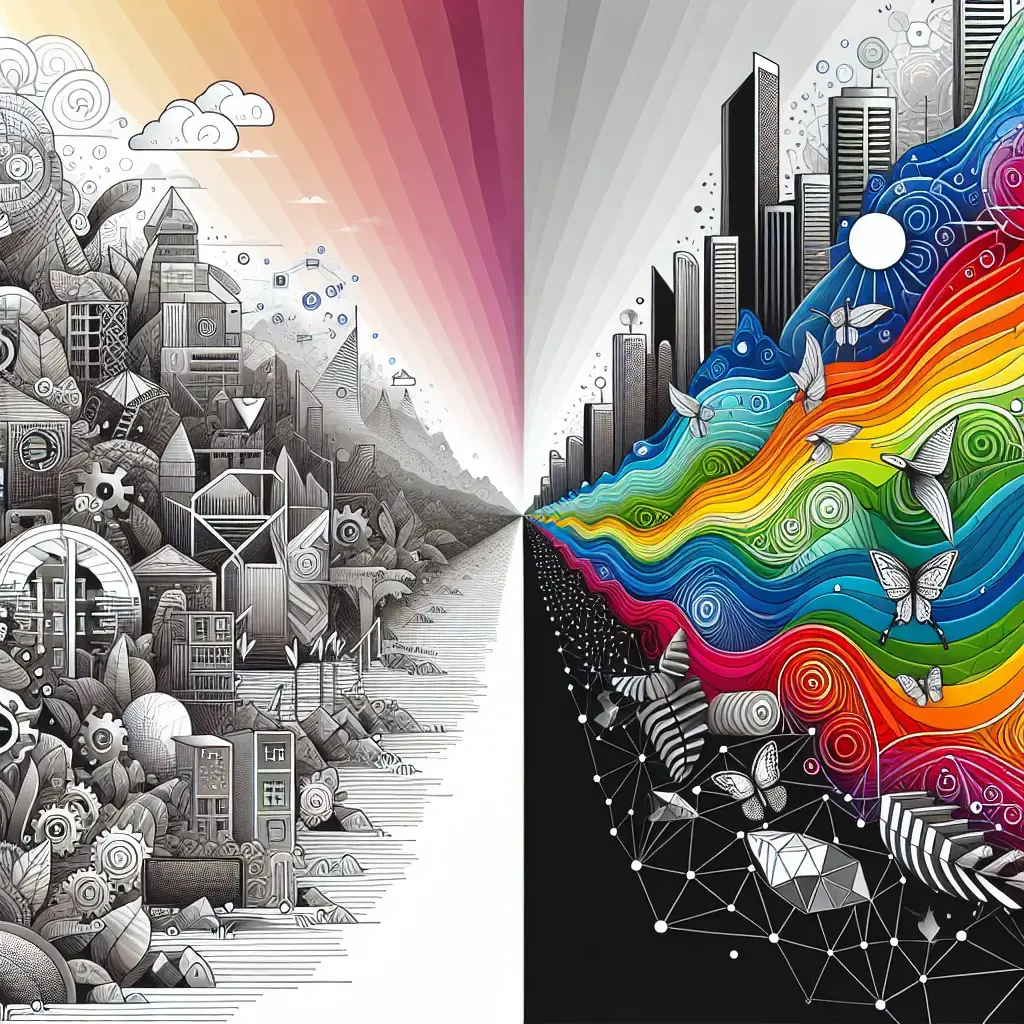
The Transition from Web 1.0 to Web 3.0: A Comprehensive Analysis
As we stand at the cusp of an unprecedented era in the digital realm, understanding the transition from Web 1.0 to Web 3.0 is not just a matter of historical reflection but a critical examination of how the internet continues to shape our lives. This journey, marked by significant technological advancements and changing user expectations, reflects the evolution of the internet—a narrative that is as much about connectivity as it is about societal transformation.
The Evolution of the Internet: From Static to Dynamic Interactions
Web 1.0, often dubbed the "read-only" web, laid the foundational framework for what would become a global information superhighway. It was a time when websites were static, user interaction was minimal, and content was largely one-way. This era set the stage for a digital transformation, propelling us into Web 2.0, where user-generated content and social networking took center stage.
Today, we are witnessing the advent of Web 3.0, a decentralized web characterized by blockchain technology and the semantic web. This evolution represents not only a technological leap but also a profound shift in how we perceive online privacy and data ownership. With AI in Web 3.0, the internet is becoming a smart web, offering personalized experiences that reflect users' needs and preferences more accurately.
Web Development Trends: Integrating AI and Blockchain Technology
The integration of AI and blockchain technology is at the heart of Web 3.0's promise. AI enhances the interactive web by enabling intelligent applications that understand and predict user behavior, making interactions more seamless and intuitive. For instance, innovations such as AI-driven processes in FinFET Technology are reshaping industries.
Blockchain technology, meanwhile, ensures transparency and security—a cornerstone for future web technologies. The decentralized nature of blockchain empowers users with unprecedented control over their data, fundamentally altering traditional models of data ownership. This shift is crucial for sectors like digital health services, where privacy and data integrity are paramount.
Case Studies: Real-World Implications of Web Evolution
The impact of this transition is evident in various sectors:
Digital Health Services: The comprehensive growth forecast for digital health services between 2024-2031 highlights how blockchain is enhancing data security and patient privacy.
Manufacturing in Africa: As Africa considers industrialization strategies, the semantic web's capabilities are crucial for developing efficient supply chains that rely on transparent data sharing.
Entertainment Industry: In music, collaborations like AP Dhillon's with international superstars demonstrate how Web 3.0 technologies facilitate cross-border cultural exchanges, creating new avenues for interactive fan engagement.
Challenges and Opportunities: Navigating the Future
Despite its potential, Web 3.0 poses challenges that need addressing:
Adoption Barriers: The shift to decentralized platforms requires users to adapt to new technologies and concepts, such as digital wallets and decentralized applications (dApps).
Regulatory Uncertainty: The lack of clear regulatory frameworks for blockchain technology could hinder innovation in key areas like the Hedgehog Pathway Inhibitors Market, which relies on secure data transactions for research advancements.
However, these challenges present opportunities for innovation and growth:
Startups and Entrepreneurship: The rise of Web3 and crypto startups is pioneering the decentralized future, fostering environments where new business models can thrive without traditional gatekeepers.
Market Expansion: The Android Set Top Box (STB) and Television Market is expanding as more consumers embrace smart technologies, driven by AI advancements and blockchain integration.
The Future of Internet Innovation: Embracing Change
As we delve deeper into what lies ahead, it's essential to recognize that this transition is not just about technology; it's about redefining our concept of connectivity itself. The decentralized web offers a future where personal data is securely owned by individuals, enabling more authentic digital interactions.
For professionals and enthusiasts alike, keeping abreast of these changes is crucial as they influence current web development trends and shape the future landscape of digital engagement. Whether you're navigating the complexities of industrialization in Africa or exploring new entertainment paradigms like AP Dhillon's collaborations, understanding this evolution is key to leveraging opportunities in this exciting era of internet history.
Conclusion: Embracing the Future of Web Evolution
As we conclude our exploration of the transition from Web 1.0 to Web 3.0, it's evident that we are in the midst of a transformative journey shaping the digital landscape. Here are the pivotal insights gleaned from this analysis:
Technological Evolution: The internet has evolved from the static, read-only nature of Web 1.0 to the dynamic, user-centric environment of Web 3.0, characterized by blockchain and AI integration.
Data Ownership and Privacy: Web 3.0 redefines data ownership, granting users greater control over their information through decentralized networks, thereby ensuring enhanced privacy and security.
Industry Impacts: This shift is influencing various sectors, from digital health services to manufacturing in Africa and the entertainment industry, fostering innovative practices and global collaborations.
Challenges and Opportunities: While adoption barriers and regulatory uncertainties present challenges, they also pave the way for startups and new business models to flourish in a decentralized ecosystem.
Future Prospects: The ongoing advancements promise a future where personal data security and genuine digital interactions are at the forefront, transforming both personal and professional realms.
Reflecting on these developments, we must consider how these changes will influence our lives and industries. Are we prepared to embrace the opportunities of this new era, or will we let the challenges deter our progress? The promise of Web 3.0 lies not just in its technological capabilities but in its potential to redefine connectivity and digital engagement.
I invite you to share your thoughts and experiences regarding this digital evolution. How do you see Web 3.0 impacting your life or industry? Join the conversation in the comments below—your insights could spark further exploration and innovation.
Thank you for journeying through this exploration with me. As we stand on the brink of this exciting future, let's embrace the possibilities that lie ahead together.
Author: Fiona Thompson